
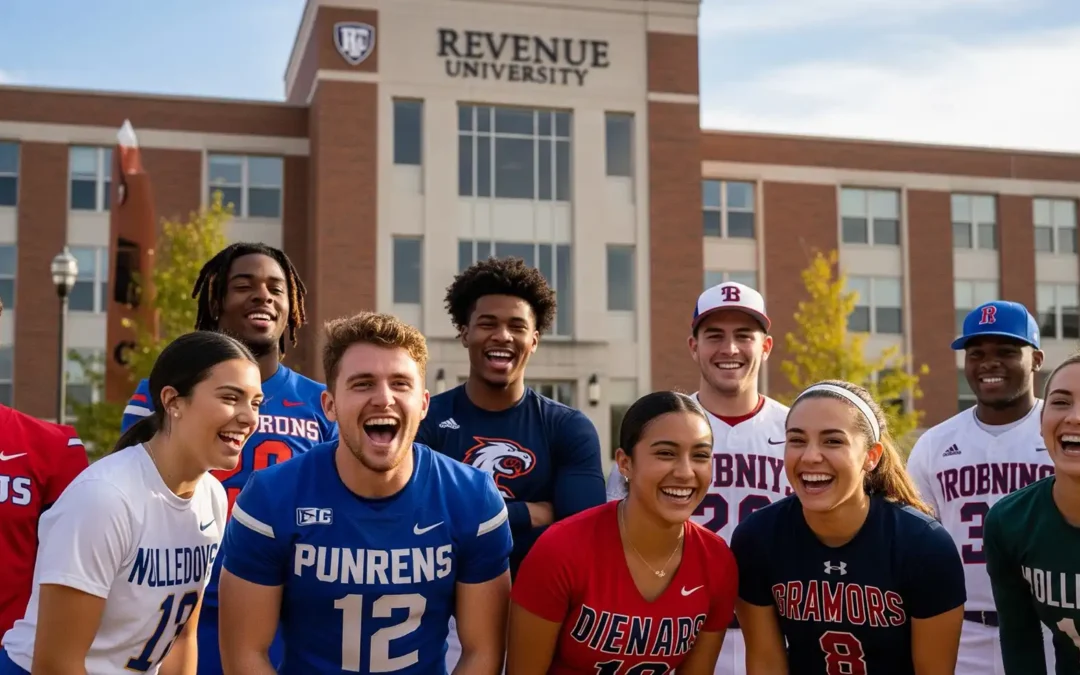
The landscape of college athletics has undergone a monumental transformation with the implementation of new revenue-sharing rules, primarily driven by the House v. NCAA antitrust settlement. Effective July 1, 2025, this agreement allows Division I schools to directly compensate their student-athletes, marking a significant departure from the traditional amateurism model.
What are the New Revenue Sharing Rules?
The core of the new rules, born from the House v. NCAA settlement, introduces a direct payment model from universities to student-athletes. Here are the key components:
- Direct Payments from Schools: For the first time, Division I schools are permitted to share athletic department revenues directly with their varsity athletes. This is distinct from Name, Image, and Likeness (NIL) deals, which come from third parties.
- Revenue Sharing Cap: There’s an initial annual cap on how much a school can pay its athletes. For the 2025-26 academic year, this cap is set at approximately $20.5 million per school. This figure is derived from 22% of the average revenue of a Power Conference athletic department (including media rights, ticket sales, and sponsorships) and is expected to increase by about 4% annually.
- Applies to All Varsity Athletes (with caveats): While the rules apply to all varsity athletes, the reality is that most of the revenue-sharing pool is expected to go to athletes in revenue-generating sports. Estimates suggest that football will receive around 70-75% of the share, followed by men’s and women’s basketball.
- Optional Participation: Schools have the option to “opt-in” to the settlement. However, virtually all Power Conference schools are expected to participate to remain competitively viable in recruiting.
- Elimination of Scholarship Limits, Introduction of Roster Limits: The settlement removes traditional scholarship limits in favor of roster limits for each sport. This means schools can offer full, partial, or no scholarships to players up to the new roster caps. For example, football’s scholarship cap rose from 85 to a roster limit of 105.
- Back Pay: The settlement also includes a substantial $2.8 billion in back payments to current and former Division I athletes who competed between 2016 and 2024, compensating them for past NIL opportunities. This will be paid out over ten years.
- Oversight: A new independent entity, the College Sports Commission (CSC), along with a clearinghouse called NIL Go (run by Deloitte), will oversee compliance, verify fair market value of NIL deals (over $600), and ensure adherence to the revenue-sharing cap.
- Tax Implications: Payments to athletes are generally treated as self-employment income (royalties), reported via Form 1099-MISC. Athletes are responsible for filing and paying their own taxes.
- Title IX Compliance: Schools must comply with Title IX, meaning revenue sharing must be gender equitable. This will influence how funds are distributed across men’s and women’s sports.
Pros of the New Revenue Sharing Rules
- Fairer Compensation for Athletes: This is the most significant benefit. Athletes, particularly those in high-revenue sports, will directly share in the immense profits generated by college athletics, moving closer to a professional model.
- Increased Financial Stability for Athletes: Direct payments provide a more stable and predictable income stream for athletes, supplementing or potentially exceeding third-party NIL deals. This can help with living expenses, education costs, and future planning.
- Retention of Talent: Schools can now use direct payments as a tool to retain top talent, potentially reducing the frequency of transfers to programs that can offer more lucrative NIL deals from collectives.
- Greater Transparency (Potentially): While individual contracts may remain private, the institutional oversight by the CSC and NIL Go aims to bring more structure and scrutiny to athlete compensation, potentially reducing some of the “wild west” aspects of early NIL.
- Recognition of Athlete Value: The rules formally acknowledge that athletes are integral to the financial success of college sports, shifting away from the long-held amateurism facade.
- Expanded Scholarship Opportunities: The elimination of scholarship limits in favor of roster limits means more athletes can potentially receive financial aid for their participation.
- Reduced Reliance on Collectives (in theory): With schools able to pay directly, the role of donor-backed collectives might evolve or diminish, although recent developments suggest ongoing tension regarding the “valid business purpose” of collective deals.
Cons of the New Revenue Sharing Rules
- Increased Financial Strain on Athletic Departments: The $20.5 million cap (and rising) represents a significant new expense for schools. While Power Conferences are expected to manage, some Group of Five or non-Power Conference schools may struggle to compete financially, leading to a widening gap.
- Potential for Cuts to Non-Revenue Sports: To fund the direct payments, some athletic departments might reduce funding, scholarships, or even eliminate non-revenue-generating sports, impacting a broader range of student-athletes.
- Title IX Challenges: Ensuring gender equity in revenue distribution while prioritizing high-revenue sports (football, men’s basketball) will be a complex legal and financial challenge for schools, potentially leading to new lawsuits.
- Competitive Imbalance: The disparity in athletic department revenues means Power Conference schools will have a distinct financial advantage in recruiting and retaining talent compared to smaller schools, potentially creating an even more stratified college sports landscape.
- Uncertainty for International Athletes: The classification of payments as “royalties” or “self-employment income” can create visa complications for international student-athletes, potentially risking visa cancellation or deportation.
- Athlete Management Complexity: Athletes will now navigate two income streams (school payments and third-party NIL deals), requiring greater financial literacy, tax planning, and legal guidance.
- Potential for Litigation: The settlement leaves many open questions, particularly regarding the allocation of funds within schools, the definition of “valid business purpose” for NIL deals, and potential conflicts with state NIL laws, which could lead to further legal challenges.
- “Pay-for-Play” Perception: While intended to compensate for NIL rights, the direct payments from schools solidify the “pay-for-play” perception, which some traditionalists oppose and may impact the perceived integrity of college sports.
- Booster Fatigue: Donors and boosters, who previously funded collectives, may experience “fatigue” if asked to contribute directly to the school’s revenue-sharing pool in addition to existing donations for facilities and other programs.
The new revenue-sharing rules represent a seismic shift in college athletics, aiming to better compensate athletes for their contributions. However, they also introduce significant financial, legal, and competitive challenges that will continue to shape the future of college sports for years to come.
Just as Bishop Business has adeptly managed the evolving landscape of business since 1954, always prioritizing customer success, college sports now face the task of navigating these seemingly overwhelming changes. Their ability to adapt, innovate, and keep the student-athlete’s well-being at the forefront will be crucial for sustained success in this new era.